
Janette Mulligan
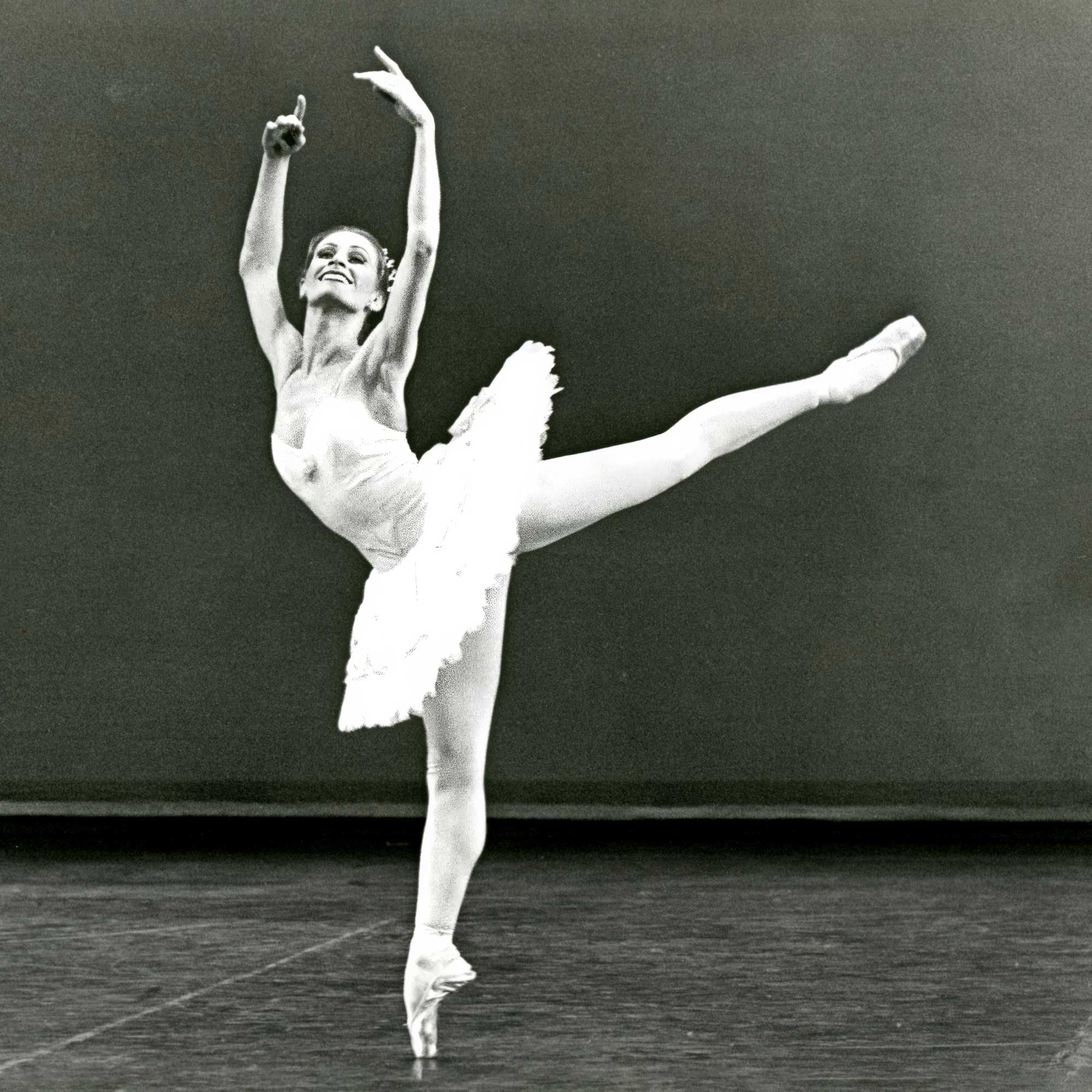
The energy in Janette Mulligan’s voice reveals what a vibrant dancer she was. Her enthusiasm for the whole gamut of performing shines through, from correct hair styles and clean shoes right through to an irrepressible vitality of spirit. In this interview with Patricia Linton, founder and director of Voices of British Ballet, she describes her audition for London Festival Ballet (LFB) in 1977 when the company was under the direction of Beryl Grey. The interview, which was recorded in 2006, is introduced by the dance writer and editor Deborah Weiss, who had performed alongside Mulligan when they were both members of LFB.
First published: June 9, 2026
Biography
Janette Mulligan was born in Townsville, Australia, in 1957. She started ballet lessons with Marilyn Stratford at the age of six, later studying with Joyce Munroe, and then with Ann Roberts. She joined The Australian Ballet School in 1974. Following successful auditions for various companies, Janette briefly joined Ballet Victoria, before obtaining a contract with London Festival Ballet. Janette spent 14 years with the company, eventually becoming a senior principal dancer. She went on to have an extensive international career as a teacher, including stints as ballet mistress with the Royal Danish Ballet and Queensland Ballet. She has been a guest teacher across the globe and is now a teacher and senior faculty member of Queensland National Ballet School in Australia.
Transcript
in conversation with Patricia Linton
JANETTE MULLIGAN: You know, and you went… the audition process was, like, 45 minutes to an hour long, and it was one of those big auditions. It was a typical Beryl Grey’s 200 plus! And it was, oh, um… Vas [Vassilie] Trunoff was taking the class. You did about 20 minutes on the barre, you came into the centre, and I thought it was funny. I laughed my way through this, this audition. I thought, “What?”
PATRICIA LINTON: And it was just Beryl sitting there, kind of glaring?
JANETTE MULLIGAN: Well, we were on stage. No, you had climbed down those corps [de ballet] steps onto the stage where the barres were set up. She had Heather Knight and Beryl and, Betty Anderton was there, who I knew. She’d been out to Australia teaching for the [Ballet Victoria] company. And the audition lasted, like, 45 minutes or something like that, ‘cause they had to get the next lot coming through, and the next. And I was called over and Beryl offered me a second-year corps de ballet [contract with London Festival Ballet]. I started on the Monday. So, I was very lucky, and what a company to join. What a company!
PATRICIA LINTON: Did you know anything about the company before that?
JANETTE MULLIGAN: Not a thing.
PATRICIA LINTON: And so, what were your first impressions after the audition?
JANETTE MULLIGAN: I went and watched the performance of Ronnie Hynd’s Nutcracker, and I just was blown away with it. And I thought, “Whoa, this is incredible.” It was just… I mean, I’d never seen so many dancers all in one spot and so many guys and… it was just incredible.
PATRICIA LINTON: So, this was the difference for you, that it was so packed with people?
JANETTE MULLIGAN: Well yes, because [The] Australian Ballet was not very big, you know. It was, Australian Ballet way back then, it was only ten years… Not even ten years old, really, when you think about it. So, it was really quite something to, to… ‘Cause that company was only, like, you know, you saw Rudolf’s Romeo… um, Don Q [Don Quixote], Don Q. And that doesn’t take a lot. And they did, um, Aussie Ballet also did, um, La Fille mal gardée, which doesn’t take a lot of dancers either. You know, it’s 30 at the most. So, for me to walk into this company which was, like, 60-odd. I was just, like, “Whoa.” And the age differences, you know. There we had the character dancers and, you know, and the young ones, and it was just all in between. It was… It was incredible.
We had… We had about three, two weeks or something, to learn… We were doing The Golden Cockerel, Schéhérazade. And there was another one we were doing – Graduation Ball, I think, was what we took on tour.
Vas Trunoff was very good at rehearsing them, and Joanie [Joan Potter] used to help him out. But, yes, and it’s interesting, ‘cause a lot of the senior girls used to make sure that everything was right as well. And I don’t think there’s a lot of that anymore. The senior soloists were the ones to make sure that anybody new coming in, their hair was right, they’d washed their ribbons, their shoes were immaculate. Um…
PATRICIA LINTON: They were guardians, like a tradition?
JANETTE MULLIGAN: They were, yes. They were the ones that, you know, you weren’t allowed… If they were on stage and your hair wasn’t quite right, you’d be sent back up to do it. Or your shoes weren’t clean enough, or something, they would be the ones to tell you.
PATRICIA LINTON: So, they were totally involved in the company and how the company looks, not just their own role?
JANETTE MULLIGAN: Yes. They were really looking after… Mmm, looking after the corps de ballet and how, you know, we worked within the rehearsal and how we worked in performance. And it was really good. Really good, I think. Being the new… you know, a new one, and then, as I got up, I took on that role, you know, after they’d left and things like that. You take on the role of, “Oh, your shoes. You know, you need to sort those shoes out, they look dreadful.” So…
PATRICIA LINTON: It’s quite interesting that these ballets… Well, actually, they are bringing back some of these Diaghilev-Fokine ballets, the Schéhérazades and whatever. But the [Léonide] Massine ballets, of which you did quite a lot, those you, you can’t find any more. I know the archivist at English National Ballet, as it now is, says that she… most of her requests come about the Diaghilev-Massine repertoires.
JANETTE MULLIGAN: Because we did it a lot, yes.
PATRICIA LINTON: Yes, but now… I don’t think they’d been done since the ‘90s. And it’s very difficult to find the Massine ballets now. Whereas they were, sort of, your, um, absolutely standbys, weren’t they, at the time?
JANETTE MULLIGAN: We did a lot. That was, sort of, that… I think that Beryl did them because they were completely different to what The Royal [Ballet] was doing. So, it gave us a different audience which, you know, and I can see where she was coming from. I mean, to do The Three-Cornered Hat, I mean, that was a great ballet to do. And a lot of character in it, and things like that. It was just wonderful. There’s a beautiful solo for the girl. I mean, she does all her beats and everything, which I found so easy, because I had… I had my tapping [tap dance] experience. I could do it – it’s not a problem in the world. It was so easy. It was just…
PATRICIA LINTON: So, you say tap is really important in doing the…
JANETTE MULLIGAN: Well, for something like that it just… It gave me some… It was easy to get all those beating sounds out for me, it was not a problem. But as you said, they don’t do things like that anymore. I mean, the other tapping role that I had was in, um, Barry Moreland’s Prodigal Son [in Ragtime]. And their calendar girls had a little bit of tapping to go across.
PATRICIA LINTON: Now, the Prodigal Son was a jazzy score, wasn’t it?
JANETTE MULLIGAN: Ah, the [Scott] Joplin score. Yes. And that was another fantastic ballet that, um… Oh, it was… It was beautiful. Fantastic. But it’s another one that, you know, probably won’t ever get done.
PATRICIA LINTON: Yes, everybody’s just settled for the [George] Balanchine Prodigal Son now, haven’t they?
JANETTE MULLIGAN: Yes.
PATRICIA LINTON: I was going to say that you were, sort of, pretty faithful to the classic rep[ertoire] and the Diaghilev-Fokine rep, and Massine rep and didn’t do all that much in the way of new ballets. But, of course, you’ve just mentioned Barry Moreland. So, you were doing new ballets?
JANETTE MULLIGAN: Oh, yes. We were doing wonderful pieces.
PATRICIA LINTON: And Ronald Hynd?
JANETTE MULLIGAN: Ronald Hynd. But he, he did some beautiful things. Sanguine Fan, and that was a beautiful piece that, you know, is probably never gonna be done again. That was just gorgeous. Um, Glen Tetley.
PATRICIA LINTON: Now, that… Yes!
JANETTE MULLIGAN: We worked with Glen Tetley.
PATRICIA LINTON: Sphinx, you did, and Greening.
JANETTE MULLIGAN: Sphinx. Greening. Mmm.
PATRICIA LINTON: Could you talk about working with Glen Tetley?
JANETTE MULLIGAN: That was…
PATRICIA LINTON: So, this was the sort of, late ‘70s, beginning of the ‘80s?
JANETTE MULLIGAN: Mmm, yes. I got into Greening because he liked the way I moved.
PATRICIA LINTON: And how did he choose people? Did he come to class or…
JANETTE MULLIGAN: Um, we did… Um… and he came… We were in Paris doing Romeo and Juliet, up on the stage at the huge, great big sports place [the Palais des Sports]. And he sat in the audience, and we did a class situation. Um… I think we were just doing some moves and he sat there and looked. And, um… Yeah, chose people from that, and that was it.
PATRICIA LINTON: And what was it like working with him? Was it a very different experience?
JANETTE MULLIGAN: Oh, he was wonderful. I think with Glen you just did as he says. I mean… And when you… ‘Cause I learned the ballet from Bronwen Curry, the choreologist. And then he came in and worked over the top of her too. You know, like it was… And gave you extra little things to, to give you. Um… And so, really, it was astounding to get what he wanted more. He got more out of you, so…
PATRICIA LINTON: How did he do that? Did he do it with words? Did he do it by…
JANETTE MULLIGAN: Demonstration. He demonstrated. Yeah, he could demonstrate still at that point.
PATRICIA LINTON: How was his work different from other people? What’s special about it?
JANETTE MULLIGAN: Organic. Oh, you could use your whole body and still have all that classical technique, and do… You just didn’t do… You know, you could do a double pirouette, but the way you came out of it and, you know, you just moved so… The whole body moved, you know. You just didn’t do something easily. Everything had to finish with even more from you. You know, you had to project even furthermore.
PATRICIA LINTON: So, what was the word you… The word you used was “organic”?
JANETTE MULLIGAN: Organic. Down into the ground, releasing it up and… yeah. Or like contemporary Martha Graham [technique] came into it en pointe with the classical technique. It was just great.
PATRICIA LINTON: And can that be recreated, do you think, when he’s not there?
JANETTE MULLIGAN: Oh, yes. Only from those that have worked with him, I think.
PATRICIA LINTON: Only from those who’d worked with him?
JANETTE MULLIGAN: Yes.
PATRICIA LINTON: So, it’s really important to have these links?
JANETTE MULLIGAN: Oh, yes.
PATRICIA LINTON: To people who did the things and teaching the next generation?
JANETTE MULLIGAN: Did it. Mmm. Because you can learn something off a video, but you only see it on a flat screen. You don’t see what the rest of the body’s doing to get into that.
PATRICIA LINTON: And would you have to find your own way of putting that over or would you try to think of him and how he got it out of you?
JANETTE MULLIGAN: Oh, think of him. ‘Cause he… the way he moved, you know? I can just see him working with Ben Van Cauwenbergh and making him do more, further than what Ben was doing, ‘cause we’d done a couple of performances out on the road. And then we came back into London and did it at the Coliseum, so that was really… you know, to have him there just to twig and make it move, you know, further. So…
PATRICIA LINTON: And it’s just… See, we got so used to having all these people around us, the same with The Royal Ballet, and Sir Frederick Ashton.
JANETTE MULLIGAN: Yes.
PATRICIA LINTON: That they’d come to the last rehearsals and would say very little, actually, but the things they did say were just the right ones to make it all fall to place.
JANETTE MULLIGAN: To make it… Yes. Yes.
PATRICIA LINTON: And that’s what’s so difficult to hold onto in the future.
JANETTE MULLIGAN: Mmm. To give to the… Yes.
PATRICIA LINTON: But it’s interesting, this word “organic”, ‘cause I’d probably want to use that with Ashton as well in the sense that you can’t just bend.
JANETTE MULLIGAN: No.
PATRICIA LINTON: It has to come, literally, out, out of the movement and the mood and the music.
JANETTE MULLIGAN: Yes. And he was wonderful to work with, because I did Romeo and Juliet and worked with him. Yes.
PATRICIA LINTON: Oh, can you… While we’re on him, can you talk about him a bit?
JANETTE MULLIGAN: Oh, he didn’t say much, did he?
PATRICIA LINTON: No.
JANETTE MULLIGAN: He didn’t say much. He was sitting always in there with his cigarette. But he was… the things that he did say, you’d go, “Oh, OK”. He wanted more or, you know, “You want more here”.
PATRICIA LINTON: At that time, at that moment?
JANETTE MULLIGAN: Mmm.
PATRICIA LINTON: Yes.
JANETTE MULLIGAN: “A bit more here,” you know. ‘Cause I was doing… in his production he called her Livia. Um, to Mercutio’s girlfriend, so to speak. It was a really… It was a hard role to do, it wasn’t easy. I mean, you ended up having to do all these jolly fouettés at the end of it and the whole thing, so it was really quite a difficult role to do. But he so, so, um… Oh, he’d make you do more, and you’d think, “Well, I can’t do more than what I’m doing.” But when you did, he’d say, “That’s what I’m watching,” yeah. “You did it.”
PATRICIA LINTON: So, he, sort of, drew you closer and then you found it?
JANETTE MULLIGAN: So yes, it was lovely.
PATRICIA LINTON: How would you contrast that with the Nureyev Romeo and Juliet?
JANETTE MULLIGAN: Um, well, Nureyev’s is a lot more complicated. A lot more complications. You know, like the amount of steps that he put into his choreography. I mean, I started off as a Montague servant in his production and even just the entrance for us was, “da-da-da-da-ta-ta-ta-ta, ta-ta-ta-ta, ta-ta-ta-ta, ta-ta-ta-ta, ta-ta-ta-ta, tum-tum”. I mean, it was as many steps as you could fit into that action.
PATRICIA LINTON: Could you see where he was coming from?
JANETTE MULLIGAN: Oh, yes. He wanted, um… ‘Cause it was the servants that started the fight off, for him. It was different to different productions, but yeah, it was the servants that started the fight off, which brought Tybalt into it, so which brought… you know, the whole thing was quite amazing, with his… Very big and grand and huge was Rudolf’s production, I find. And very, you know, um… How can you say it? In your face. You know, like, everything. Whereas with Ashton’s it was a lot more subtle. It was a little bit more subtle there. You know, it was…
PATRICIA LINTON: So, it felt of a different age, his?
JANETTE MULLIGAN: Mmm. Oh, yes. A lot more simpler…
PATRICIA LINTON: And quite cultured and quite contemplative?
JANETTE MULLIGAN: Yes. When you think of what was on television at the time that Ashton’s was done compared to what Rudolf’s was done. So, it was… Yeah, very different.
PATRICIA LINTON: Were you familiar with [Kenneth] MacMillan’s [Romeo and Juliet] that The Royal Ballet was doing?
JANETTE MULLIGAN: Oh, yes.
PATRICIA LINTON: And did you feel that was different again?
JANETTE MULLIGAN: Oh yes, very much different. But MacMillan’s was so… When you look at his choreography and… It was beautiful. The choreography that Kenneth did was so beautiful. And then, of course, you got [John] Cranko’s version. Again.
PATRICIA LINTON: Mmm. Did you know that one as well?
JANETTE MULLIGAN: I watched it all the time, ‘cause I was at The Australian Ballet School. We used to go… We used to sell programmes and then belt in after, after we’d counted all our money, to watch as much as we possibly can.
PATRICIA LINTON: So, here are four different productions, four different…
JANETTE MULLIGAN: Styles.
PATRICIA LINTON: Readings and styles. And how… Do you fall anywhere in one camp or another?
JANETTE MULLIGAN: No.
PATRICIA LINTON: No?
JANETTE MULLIGAN: ‘Cause I think they were all… They all had something special in all of them. It’s all, you know, relevant to the time that they’d been choreographed, I find, too.
The transcript of this podcast may have been lightly edited for ease of reading.
You may also like...
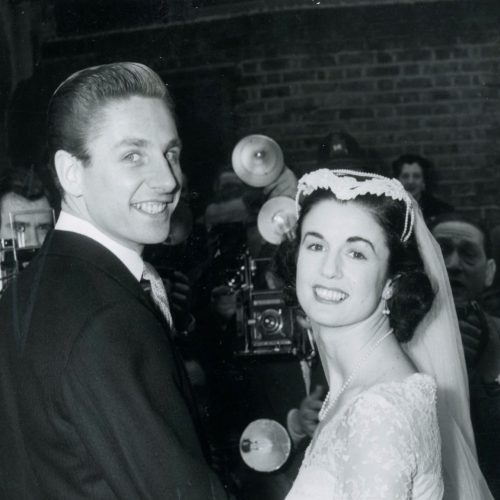
Rowena Jackson and Philip Chatfield
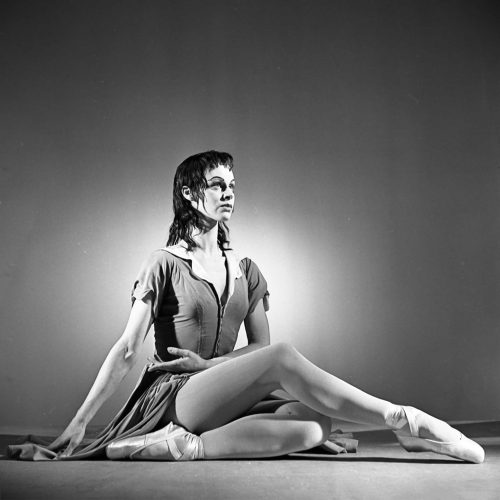
Julia Farron