Podcast » Monica Ratcliffe
Monica Ratcliffe, one of British ballet’s earliest voices, shares a wonderful collection of memories and anecdotes with Patricia Linton. She talks about her years, in the 1920s, at Ninette de…

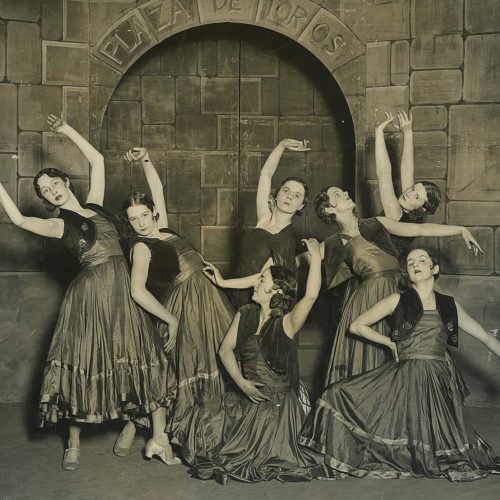
Monica Ratcliffe, one of British ballet’s earliest voices, shares a wonderful collection of memories and anecdotes with Patricia Linton. She talks about her years, in the 1920s, at Ninette de…
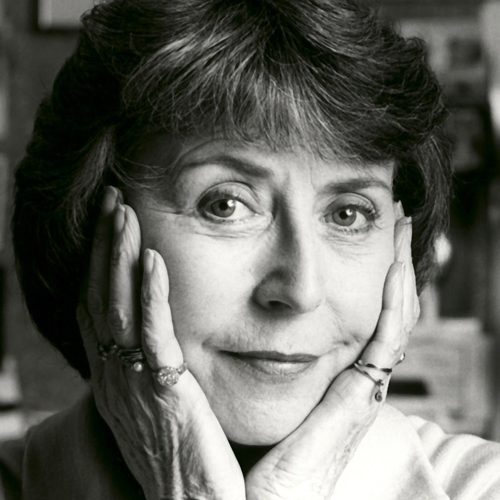
The dancer and choreographer Adam Cooper introduces this wonderful interview with the dancer, choreographer, stage and film director Wendy Toye who begins by recalling chatting to Serge Diaghilev at the…

Marie Rambert married English playwright Ashley Dukes in 1918. In 1928, Dukes purchased a disused church hall in Notting Hill Gate and converted it into the Mercury Theatre. This provided…
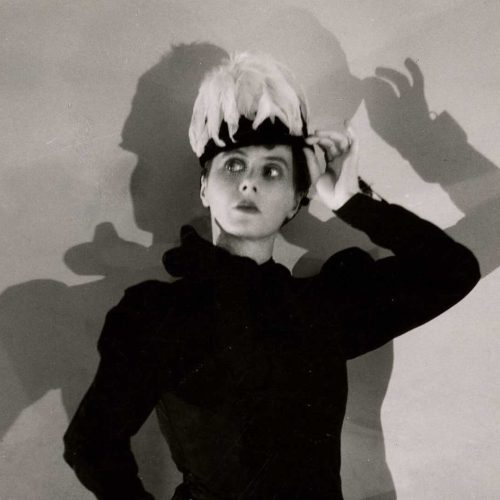
The ballet writer Gerald Dowler is joined in a special episode of Voices of British Ballet by Monica Mason (former Royal Ballet student, principal dancer and director), Jane Pritchard (curator…

Edouard Espinosa left the Association of Operatic Dancing in Great Britain (later the Royal Academy of Dancing) and formed the British Ballet Organization (BBO) in 1930 alongside his wife Louise…
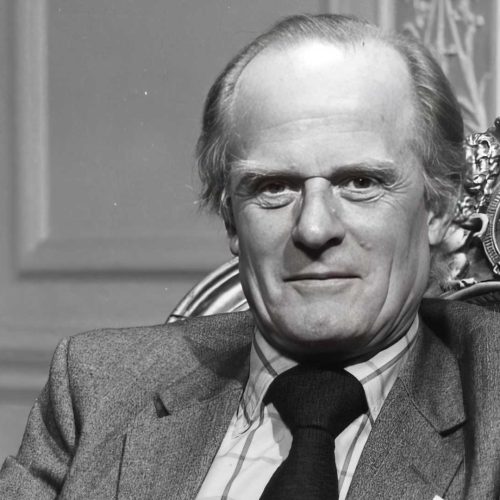
If ever a job needed diplomacy it must be as General Director of the Royal Opera House, a post John Tooley held from 1970 until 1988. He was also Assistant…
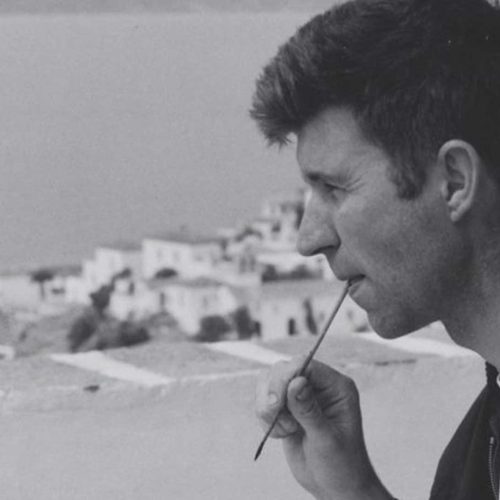
For over half a century, John Craxton was a major force in the visual arts of this country. From the late 1940s on, his main source of inspiration had been…
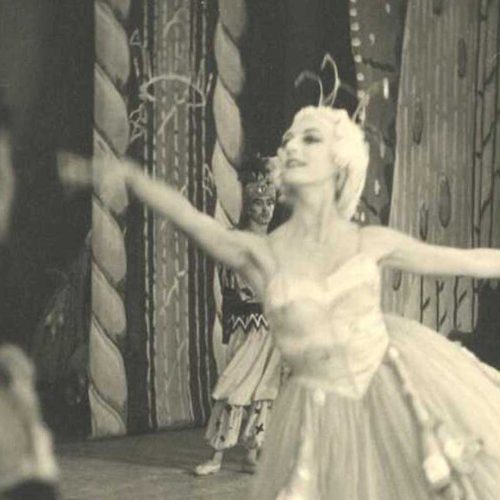
Natalie Steed talks to Brenda Hamlyn-Bencini about training under Marie Rambert, the post-war dance scene and touring Germany with ENSA in the immediate aftermath of WWII. At 92, Brenda Hamlyn-Bencini…
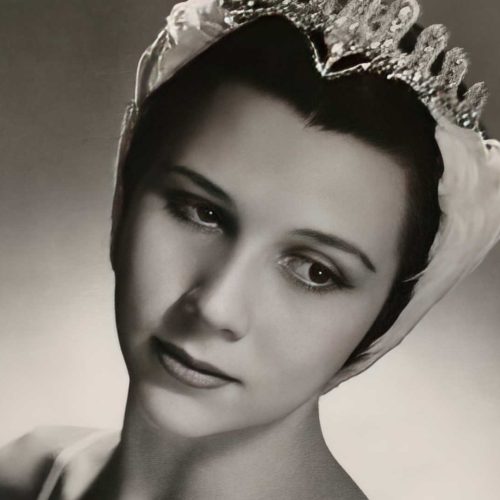
Beryl Grey talks to Frank Freeman about her early training, first with Madeleine Sharp and then with Phyllis Bedells before going to the Sadler’s Wells School at the age of…

Critic and writer Clement Crisp gives a succinct and vivid summing up of the debt British ballet owes to Constant Lambert, not just as the conductor for the Vic-Wells and…
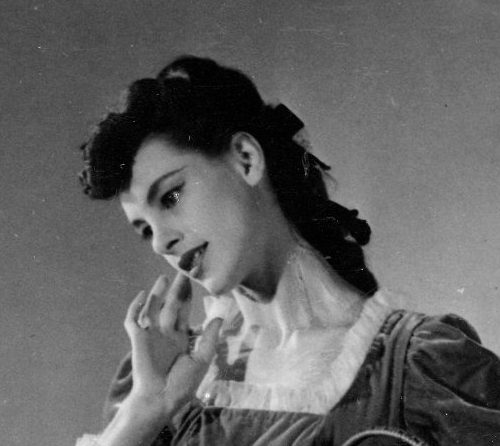
Pauline Clayden was born in 1922. Here she talks to Patricia Linton about her student days, and moves on to her dancing life up until joining the Sadler’s Wells Ballet…

A man of the theatre through and through, in this conversation Peter Wright shows us that fulfilling one’s destiny can be fraught with difficulties and that the path is not…
Born in 1921 Rowena Fayre combined a career in ballet with a very different sort of life. After boarding school in Hertfordshire, and daily lessons at Sadler’s Wells School with…
Julia Farron was born in London in 1922. She was part of the vanguard of extraordinary talent that helped shape ballet in 20th Century Britain. In 1931 she was the…
This ‘voice’ of British Ballet is that of Pamela May. She was born in 1917 and after retiring as a ballerina with The Royal Ballet became the teacher par excellence…
Jean Bedells talks about the 1930s as if it was yesterday. Full of detail and feats of memory, we are given an idea of the sense of foreboding that descended…
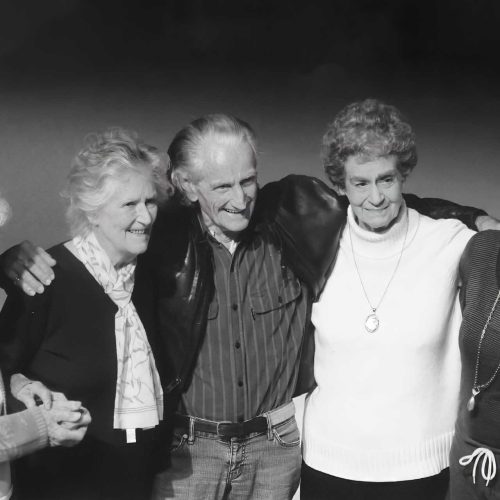
In this extract, poor Henry Danton always seems to be running behind his talent – that is until he met the wonderful ballet teacher, Vera Volkova. However, before this and…
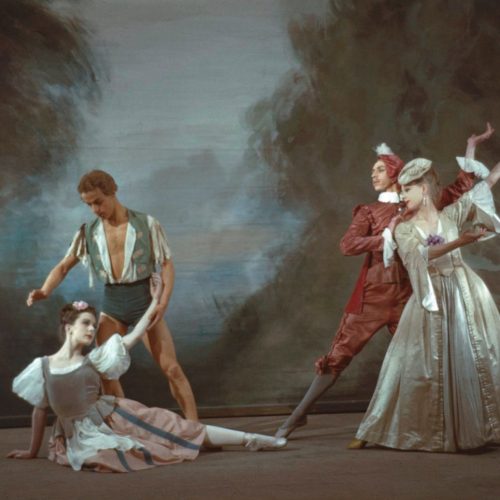
Anne Heaton’s career coincided with an upsurge in creative talent at the Sadler’s Wells Ballet. Observant and wide ranging she reflects on many things, not least the enigmatic choreographer, Andrée…
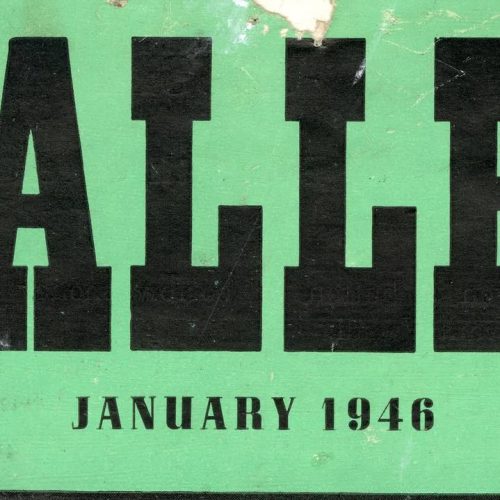
Richard Buckle (1916–2001) was a British dance critic and writer. In 1939 he founded Ballet magazine, which run had to be suspended during the course of World War Two. During…

Opening with performances at the Cambridge Theatre, London, in May 1939, Lydia Kyasht’s company toured Britain intermittently from November 1939. From 1944 to the company’s closure in 1946, the Ballet…

The Entertainments National Service Association (ENSA) was an organisation established by Basil Dean and Leslie Henson. Their mission was to provide entertainment for the British armed forces personnel during World…

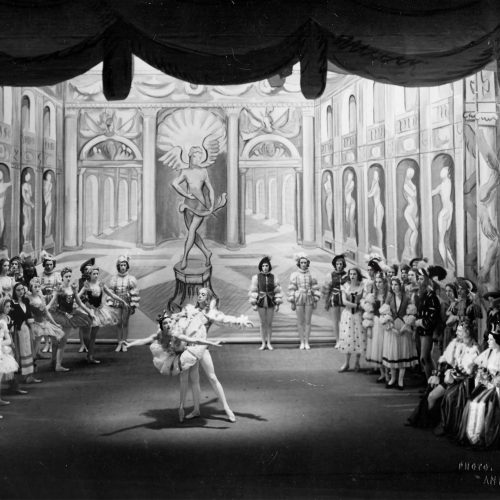
First performance of The Sleeping Princess by the Vic-Wells Ballet, with choreography by Marius Petipa staged by Nicholas Sergeyev, music by Pyotr Ilyich Tchaikovsky and designs by Nadia Benois. The…
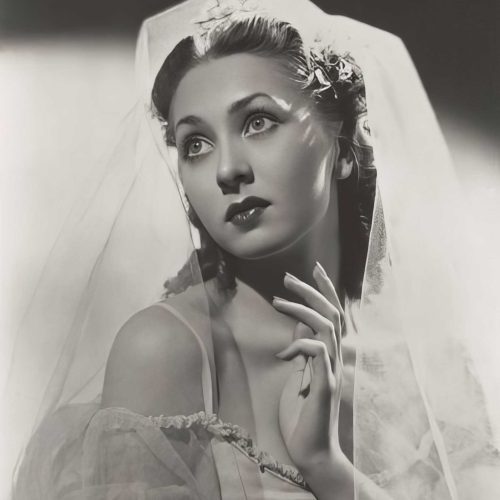
What agony to hear this gorgeous, beguiling woman lament the lack of interest she feels was shown to her generation in passing on their knowledge and experience to the next….

The owner of The Arts Theatre, Harold Rubin, enlisted Keith Lester, former choreographer and dancer with the Markova-Dolin Ballet, to form The Arts Theatre Ballet as part of his mission…
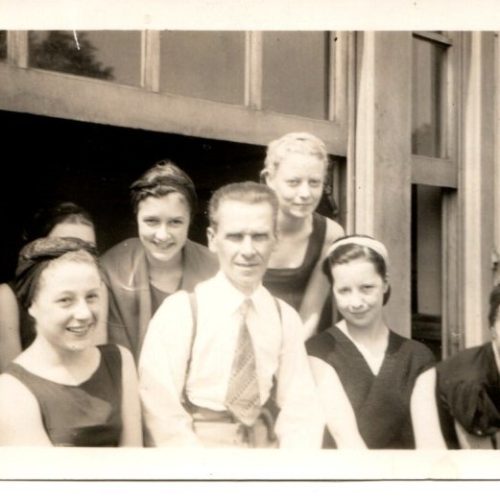
Here, Patricia Thorburn throws a little light on finding jobs after completing her training at Sadler’s Wells Ballet School. She is in conversation with Patricia Linton, founder and director of…

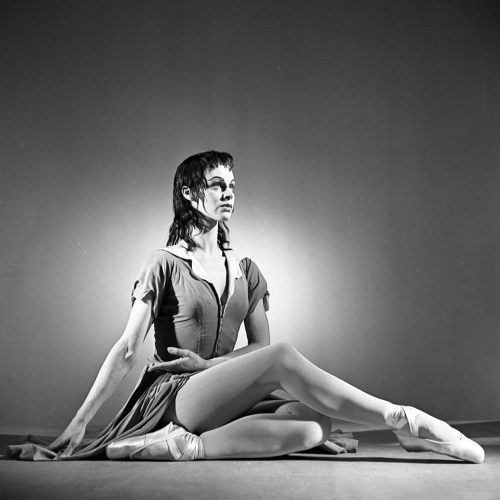
Based on David Garnett’s story about a girl who transforms into a fox, Andrée Howard’s Lady into Fox provided Sally Gilmour with the role for which she is best remembered….
The second in a series of special episodes celebrating the 100th anniversary of the founding of Ninette de Valois’ Academy for Choregraphic Art in March 1926, and marking 25 years…
The ‘London Ballets wars’, as it was called, occurred during simultaneous seasons by two rival visiting ballet companies in the British capital. Starting in the summer, the Russian Ballet (renamed…
Antony Tudor founded his own company, the London Ballet, after he left Ballet Rambert in 1937, giving regular performances at the Toynbee Hall in east London. The company’s repertory featured…
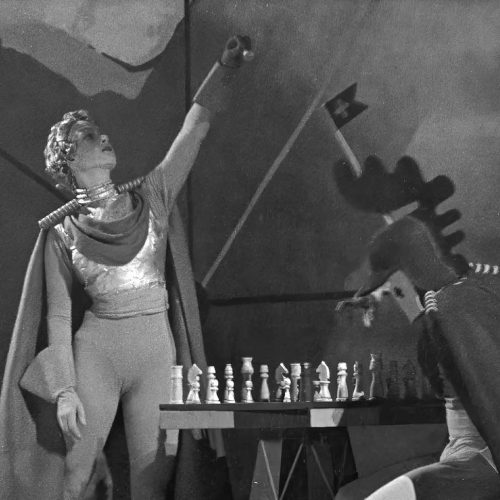
Checkmate is one of the only two ballets by Ninette de Valois to survive in the repertoire. It makes allegorical use of a chess game to represent a battle between…
Dark Elegies was created by Antony Tudor for Ballet Rambert in London in 1937 and it premiered at the Duchess Theatre, London. In 1940 it was premiered in New York,…

Frederick Ashton choreographed Les Patineurs for the Vic-Wells Ballet in 1937. A group of 15 dancers ‘skate’ their way through this exuberant one-act ballet. An icy pond on the edge…
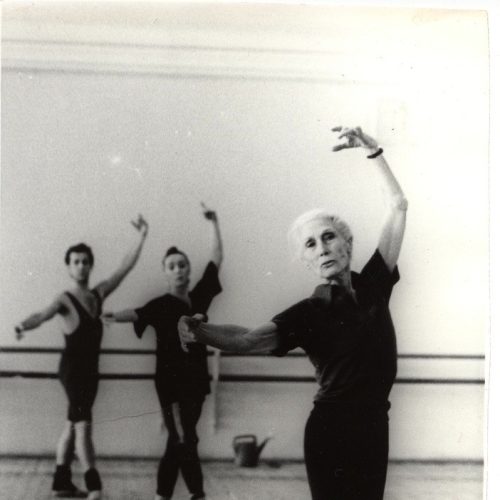
In this interview with Patricia Linton, founder and director of Voices of British Ballet, Barbara Vernon illustrates that it is not all plain sailing out of the mainstream of the…
John Regan had trained with Enrico Cecchetti and Nicholas Legat before he joined Serge Diaghilev’s Ballets Russes and the Markova-Dolin Ballet. In 1937 Regan formed his own group, the International…

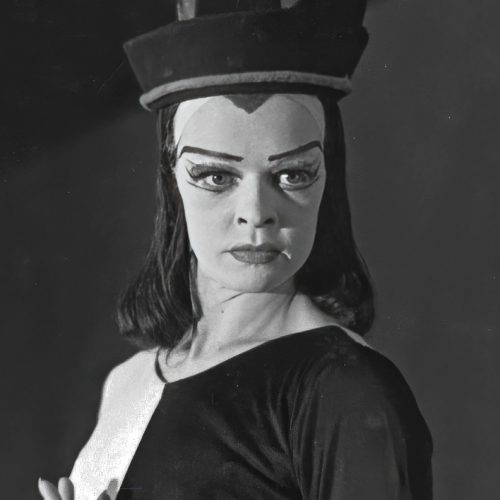
Jardin aux lilas (or Lilac Garden as it is also titled) is a dramatic ballet in one act choreographed by Antony Tudor. The music is by Ernest Chausson and the…

The fate of many a dancer is discussed at the end of this interview. Adventures are recounted with unaffected humour and a deliciously 1930s delivery. In this interview with Patricia…
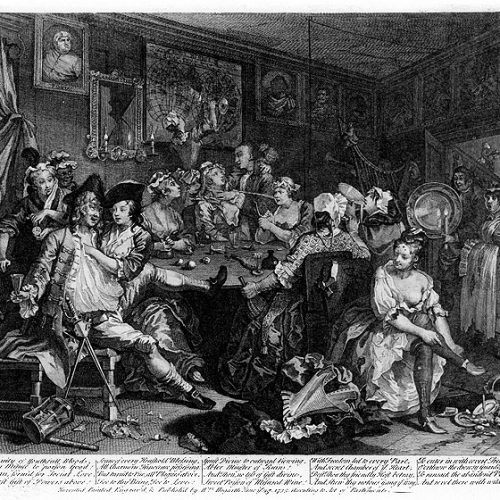
The Rake’s Progress was first performed by the Vic-Wells Ballet at the Sadler’s Wells on 20 May, 1935. It is a ballet in six scenes with music by Gavin Gordon…
An established partnership, Alicia Markova and Anton Dolin set up their own ballet company in London in 1935, backed by Laura Henderson of the Windmill Theatre, famous for its ‘nude’…
Frederick Ashton choreographed Les Rendezvous for the Vic-Wells Ballet in 1933, with Alicia Markova and Stanislas Idzikowski as its first stars (their roles were later taken over by Margot Fonteyn…

Fashion and ballet have a symbiotic relationship, each drawing on the other. Twice a year, fashion designers must cast around for hot influences. These might come from anywhere but time…

With the death of Serge Diaghilev in 1929 the powerhouse of the Ballets Russes company he had created died with him. Creative life and the young never stand still for…

In March 1933, the company performed the first two acts of Coppelia, the ballet created by Arthur Saint-Léon, with Lydia Lopokova as Swanilda for the first two performances. Ninette de…
This was the first performance of classical choreography by the Vic-Wells Ballet. Swan Lake is a ballet with music by Pytor Ilyich Tchaikovsky with choreograhy created by Marius Petipa (Acts…
Formed by the then Royal Academy of Dancing to give stage experience to young dancers and choreographers, the Production Club gave Sunday performances that provided Robert Helpmann and John Cranko…

Job is a masque for dancing in eight scenes, choreographed and produced by Ninette de Valois. It was first presented by the Camargo Society at the Cambridge Theatre, London in…

Façade was originally an ‘entertainment’ in which Edith Sitwell, from 1922, recited a selection of her poems accompanied to music composed by William Walton. This musical setting was expanded in…

The school attached to Ninette de Valois’ company took up residence at Sadler’s Wells Theatre from 1931 upon Lilian Baylis’ invitation. It provided the company with a basic income, ameliorated…
The Vic-Wells Ballet gave its first full evening of ballet on 5 May 1931 at the Old Vic, with Anton Dolin as guest star. Ballets performed included de Ninette de…

It wasn’t only in ballet that women were leading British ballet forward. But in philosophy too, four redoubtable women change the face of the subject. G. E. M. Anscombe (1919…
In 2026 Voices of British Ballet is celebrating the life of Ninette de Valois, to mark the centenary of the Royal Ballet School, with a series of interviews and special…

The Camargo Society was a subscription ballet club formed in 1930 to support and nurture British ballet. Set up by Philip J.S. Richardson, the editor of the Dancing Times, and…

Artists in Britain in the early and mid 20th Century were influenced by contemporary developments in Europe. However, they also looked back to a quintessentially native? Romanticism. There is no…

Capriol Suite was first performed by the Marie Rambert Dancers at the Lyric Theatre, Hammersmith, on 25 February 1930, it had choreography by Frederick Ashton, music by Peter Warlock and…

According to Virginia Woolf, ‘on or about December 1910 human character changed’. The event from 1910 she was referring to was the famous exhibition entitled ‘Manet and the Post-Impressionists’, organized…

T S Eliot was a, if not the, major figure in English literature for much of the 20th Century. Is his attempt to reconcile modern modes of expression with ancient…
The Marie Rambert Dancers gave their first public performance at the Lyric Theatre, Hammersmith on the 25 February 1930 in a programme, which included Capriol Suite. It proved so popular…
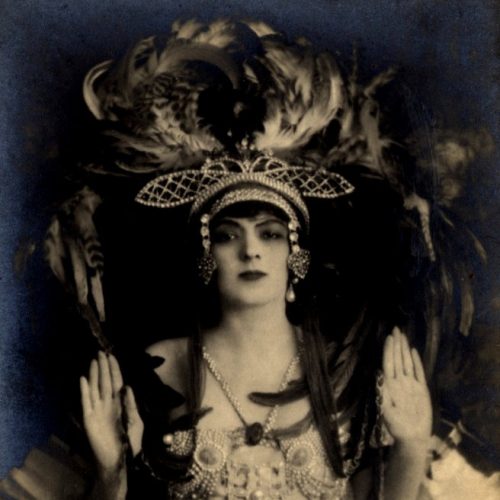
As part of Voices of British Ballet’s Reflections series Jane Pritchard, former curator of Dance at the Victoria and Albert Museum, talks to Patricia Linton, founder and director of Voices…